Bologna is the one Italian city where the food tour is not an optional extra. It is the main event. The city has no Colosseum and no Uffizi; what it has is the densest concentration of protected food products in Europe, and a way of eating that only makes sense once someone walks you through it. Here is what a good food tour actually involves, and how to tell a good one from a bad one before you pay.
What a Bologna Food Tour Covers
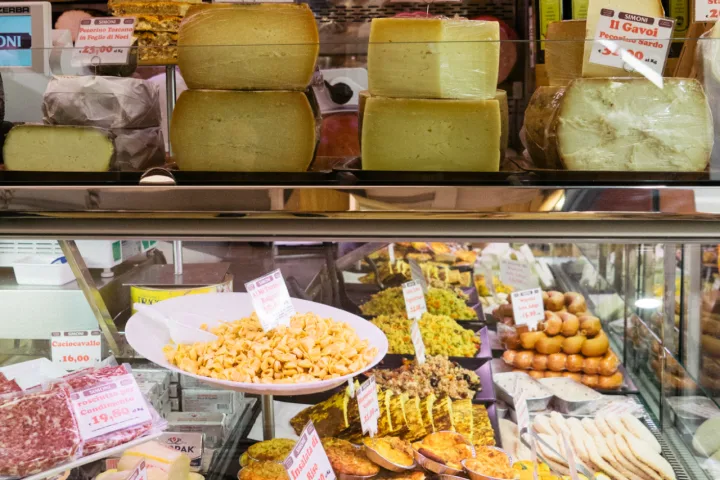
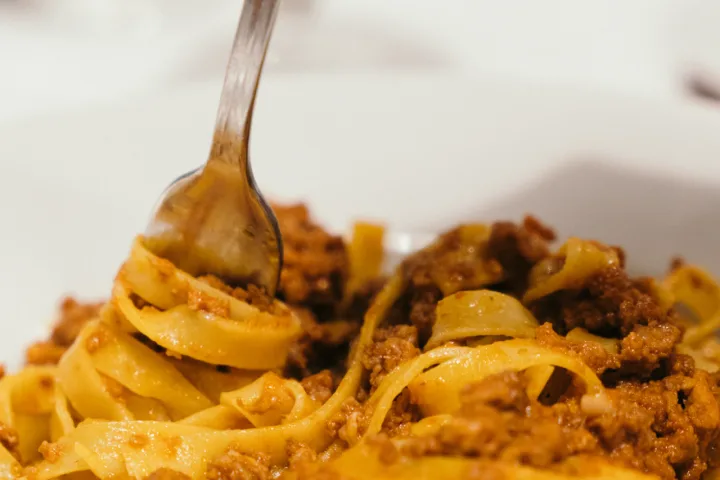
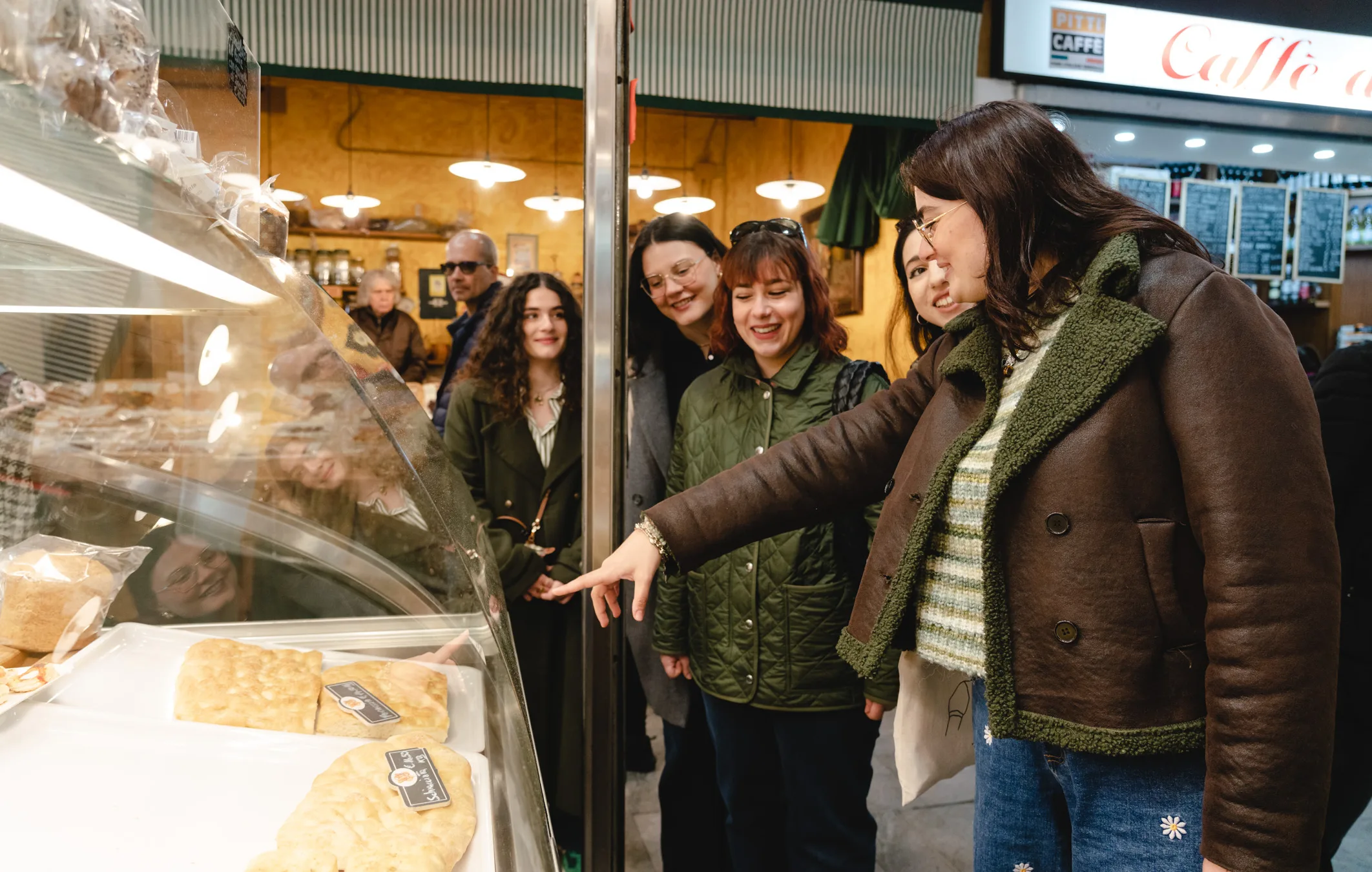
Almost every tour starts in or near the Quadrilatero, the medieval market district behind Piazza Maggiore, because that is where the city’s food shops have been for seven centuries. From there the itinerary is more or less fixed by tradition: mortadella sliced at the counter, Parmigiano Reggiano at two different ages, a spoon of traditional balsamic vinegar that has spent at least twelve years in barrels, tortellini in broth, and a plate of tagliatelle al ragu that will permanently change your opinion of spaghetti bolognese.
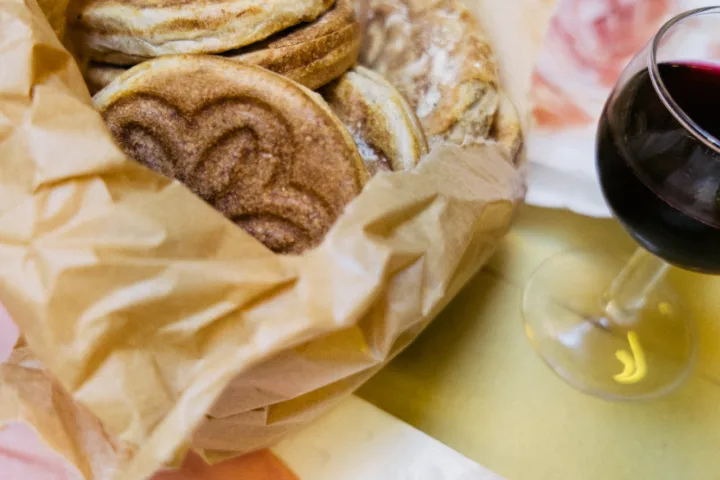
Between the tastings there is a glass of Pignoletto, the local sparkling white, and usually a Lambrusco to prove it is not the sweet stuff exported in the 1980s. Most tours end with gelato or a coffee. By the end you have eaten a full meal, spread across three hours and six or seven stops.
How Long, How Far, How Much Walking
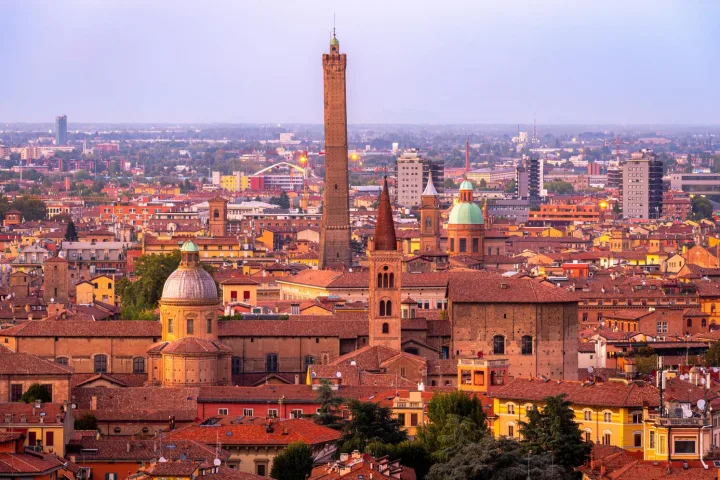
Three to four hours is standard. The distance is short, rarely more than two kilometres, because the whole historic centre fits inside the old walls and the porticoes keep you out of the rain and the sun. You stand at counters more than you sit, which is how the Bolognesi eat during the day. Wear shoes you can stand in and do not eat breakfast.
Morning or Evening
Morning tours, starting between 10 and 11, see the market working: the fishmonger, the butchers, the pasta shops with the morning batch of tortellini still being made. Evening tours, from 5 or 6, catch the aperitivo hour, when the Quadrilatero fills with locals holding a glass of wine on the street. Morning is better for the food. Evening is better for the atmosphere. If you can only do one, the morning shows you more of what makes the city different.
How to Tell a Good Tour From a Bad One
Group size first. Eight to twelve people can stand at a counter together and hear the guide; twenty-five cannot. Then the guide: ask whether they are from Bologna or the region. The food here is local to a degree that is hard to overstate, and a guide who grew up eating it will tell you things no script contains.
Look at the stops. A tour that visits three places and calls one of them a “tasting” of something pre-plated is a walk with snacks. A real one has you tasting mortadella that was sliced in front of you and Parmigiano from a wheel that was opened that week. Ask about allergies and vegetarians before booking, not on the day. And check whether wine is included or a surcharge: in Bologna it should be included.
The tour we run, the Bologna Gastronomic Experience with a Local, is built on exactly those rules, but the rules hold whoever you book with.
After the Tour
Three hours of tasting tends to produce two reactions. One is the wish to cook it, which a hands-on pasta class takes care of. The other is curiosity about where the cheese and the vinegar actually come from, and for that the answer is a day in the Food Valley to see the dairies and the balsamic attics outside the city. Either way, you will not look at a supermarket “bolognese” the same way again.