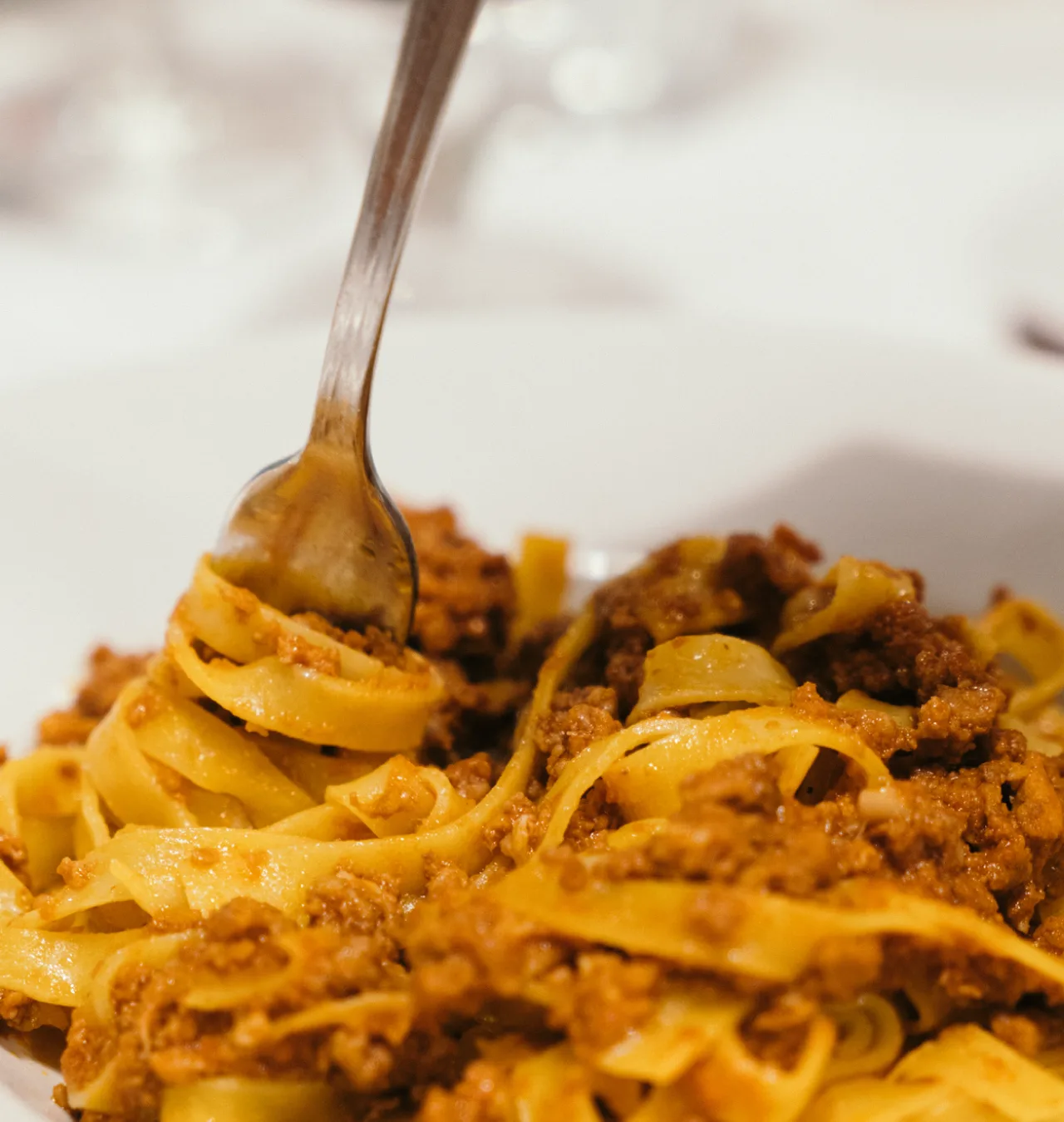
One of the most successful lies in Italian food history is the dish called “spaghetti bolognese”. It does not exist in Italy. Not in Bologna, not anywhere else. What Bolognesi actually eat is tagliatelle al ragu, and they eat it with a precision and seriousness that the rest of the world has translated into a culinary stereotype.
The Myth: Spaghetti Bolognese Does Not Exist in Italy
If you order spaghetti bolognese in Bologna, three things will happen. The waiter will pause. Some restaurants will tell you, politely, that they do not have it. Others will sigh and serve you tagliatelle al ragu but charge you for the spaghetti version. None will produce the dish you might recognize from a British pub or an American diner.
The myth was born abroad. Italian immigrants who could not find local pasta makers in the United States or Britain substituted dry spaghetti for the fresh tagliatelle they had grown up with. The sauce was simplified, often sweetened, sometimes turned into the same thing as American “meat sauce”. The dish that came back to Italy as “spaghetti bolognese” was no longer Italian.
What Tagliatelle al Ragu Really Is
The real dish is built around two parts. Tagliatelle: fresh egg pasta cut by hand into ribbons about 8 millimetres wide. Ragu alla bolognese: a slow-cooked sauce of finely chopped pancetta, minced beef and pork, soffritto (carrot, celery, onion), tomato paste (just a little), white wine, milk and broth. No garlic, no oregano, no Italian seasoning, no carrots cut into chunks.
The ragu cooks for at least three hours, often four or five. It is not a quick weeknight sauce. By the end, the meat has broken down completely and the sauce has reduced to a thick, glossy paste that coats the pasta without drowning it.
The Official Recipe (1982, Notarized)
In 1982, the Accademia Italiana della Cucina filed the official recipe for ragu alla bolognese with the Bologna Chamber of Commerce. It is a notarized document. The ingredients are listed in exact proportions: 300 grams of pancetta, 300 grams of beef cartella (a specific cut from the diaphragm), half a glass of white wine, half a glass of milk and only a spoonful of tomato paste in 200 millilitres of broth.
The notarization was a defensive move. Bologna wanted to protect its dish from the global proliferation of “bolognese sauces” that bore no relation to the original. Today the document is referenced in cookbooks and food regulations as the official version.
Why Tagliatelle Catches the Sauce Better
There is a structural reason for using tagliatelle and not spaghetti. The flat, slightly rough surface of fresh egg pasta catches and holds the dense ragu. Spaghetti, with its smooth round surface, lets the sauce slide off, which forces cooks abroad to thin the sauce with tomato and serve it pooled around the strands. The dish becomes “pasta with sauce on top” instead of “pasta dressed in sauce”. The difference is fundamental.
Where to Try It in Bologna
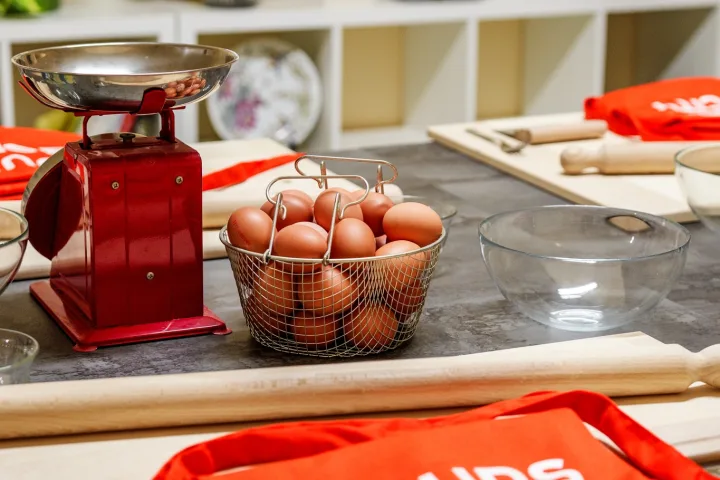
Almost every trattoria in the historic center serves tagliatelle al ragu. The good ones make their pasta in-house: ask “fatta in casa?” and watch the response. The best places have a small pasta lab visible from the dining room where women (almost always women, often called “le sfogline”) roll the dough by hand with long wooden pins.
The dish is served simply: a generous portion of tagliatelle, the sauce mixed in (not poured on top), a snowfall of grated Parmigiano Reggiano and nothing else. Order it for lunch, follow it with a small secondo, finish with espresso. That is how Bologna eats.